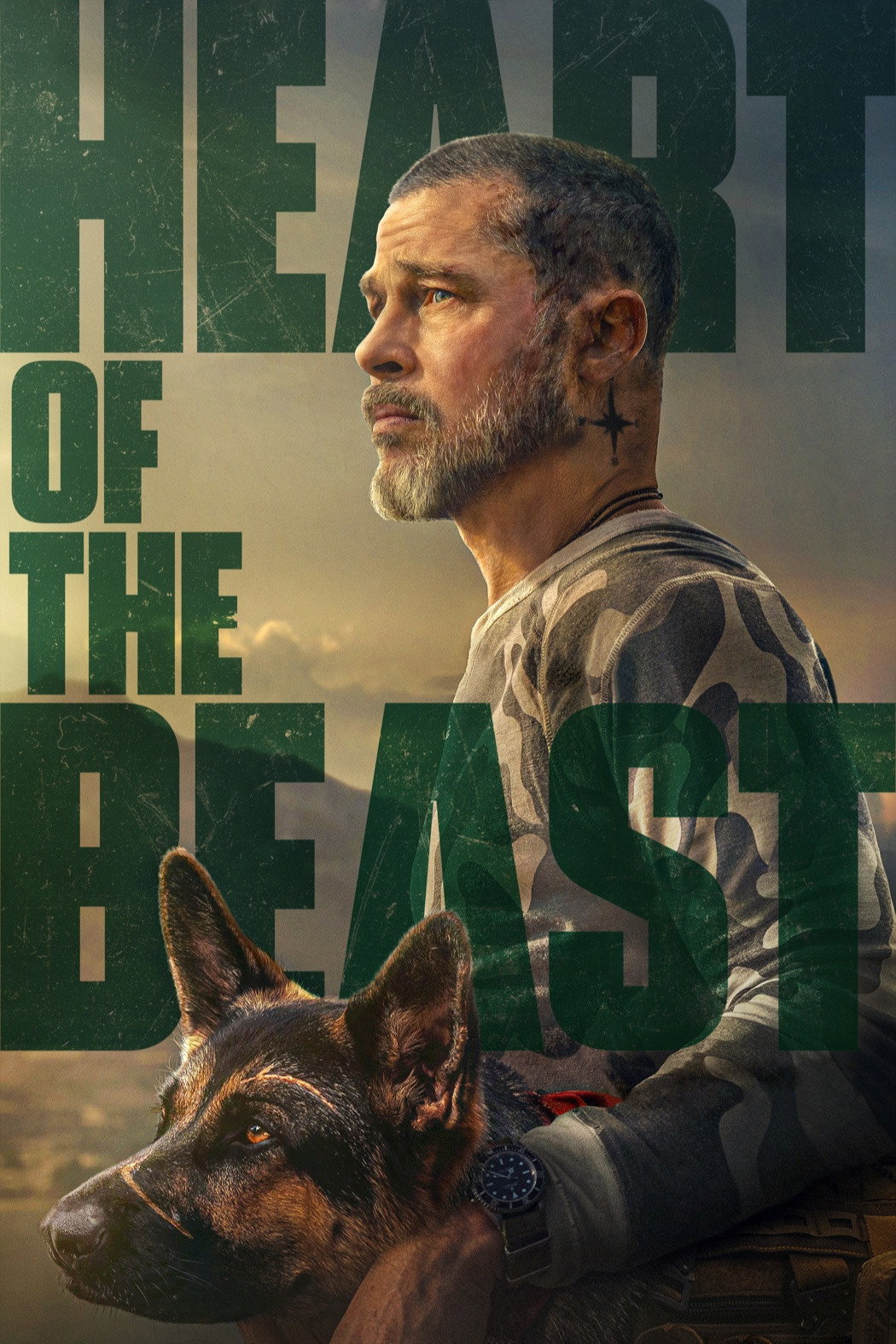
Heart of the Beast (2026) – Movie Overview
Heart of the Beast is an adventure thriller built around a fight for survival in the remote Alaskan wilderness. The story follows James Belmont, a Special Forces officer who survives a plane crash alongside Odin, his military combat dog. Far from safety, the pair must contend with a hostile environment where exposure, exhaustion, and dwindling resources can be as dangerous as any human threat.
Directed by David Ayer, the film's premise places the relationship between a soldier and his dog at the centre of a tense survival narrative. Alongside its wilderness adventure, the story offers room to explore loyalty, endurance, trauma, and the instincts that emerge when survival becomes the only immediate priority.
Production Details
| Movie Title | Heart of the Beast |
|---|---|
| Release Year | 2026 |
| Release Date | 19 September 2026 (as supplied; verify against official listings) |
| Genre | Adventure, Thriller |
| Director | David Ayer |
| Writer | Cameron Alexander |
| Music | Jared Michael Fry (as supplied) |
| Cinematography | Mauro Fiore (as supplied) |
| Production Companies | Paramount Pictures, Wild Chickens Productions, Temple Hill Entertainment, Domain Entertainment, GulfStream Pictures, Kino World (as supplied) |
| Language | English |
| Country | United States of America |
| Runtime | 1 hour 41 minutes (as supplied) |
| Budget | Not independently confirmed |
| Reported Rating | 7.3/10 (source not independently verified) |
| Official Website | Paramount Pictures |
| Streaming Availability | No confirmed subscription streaming service listed here |
Production metadata, release information, credits, runtime, and rating are reproduced from the supplied details where noted. They should be checked against official studio announcements and verified film databases before publication as confirmed facts.
Story and Premise
James Belmont is a Special Forces officer whose life changes dramatically after a plane crash strands him and his combat dog, Odin, in Alaska. The wilderness offers little comfort: the weather is unforgiving, distances are vast, and even small mistakes can become life-threatening. With rescue uncertain, James must use his training to assess risks, find shelter, and make decisions with limited supplies.
Odin is more than a companion in this struggle. The dog represents trust, routine, and a connection to the world James knew before the crash. Their partnership becomes central to the survival challenge, as both depend on the other's abilities. The premise blends physical danger with the emotional stakes of a bond tested under extreme conditions.
Cast and Characters
| Actor | Character |
|---|---|
| Brad Pitt | James Belmont |
| J.K. Simmons | Watkins |
| Anna Lambe | Amber |
| Justin Melnick | Military Soldier |
| Shaun DeZern | Military Soldier |
Cast and character information follows the supplied metadata and has not been independently verified here. Additional characters and performances should be described only when supported by confirmed credits or official production material.
Heart of the Beast (2026) – Critical Review
a) Narrative Depth / Premise & Thematic Architecture
The central premise of Heart of the Beast is immediately accessible: a soldier and his combat dog must survive after a plane crash leaves them isolated in a remote wilderness. The scenario creates urgency without needing an elaborate introduction. Cold, terrain, injury, exhaustion, and limited supplies naturally establish a series of escalating problems. Each decision can have consequences, allowing the story to build suspense through practical challenges rather than depending entirely on sudden shocks.
The relationship between James and Odin provides the narrative with its emotional centre. Survival stories often become more compelling when the protagonist has someone to protect, particularly when that companion cannot explain their needs in words. A trained working dog communicates through behaviour, movement, and instinct, giving filmmakers an opportunity to convey loyalty and fear through visual storytelling. James's responsibility for Odin also changes the meaning of risk: a choice that might be acceptable for one person can become dangerous when another life depends on it.
The wilderness can serve as both an external threat and a metaphor for uncertainty. James's military training may prepare him for discipline and danger, but survival outside a familiar operational environment can demand flexibility, patience, and humility. The story has the potential to examine the difference between following a plan and adapting when a plan fails. If it balances the immediate struggle with James's inner life, the survival premise can become a character study as well as an adventure thriller.
The main narrative risk is repetition. A succession of cold-weather obstacles can lose impact if each challenge produces the same response. Strong pacing depends on varying the nature of the danger, developing the bond between the characters, and ensuring that each setback changes the situation. Without a verified scene-by-scene viewing, these are the key storytelling strengths and challenges suggested by the premise rather than claims about every element of the finished film.
b) Performances & Character Dynamics
Brad Pitt is listed as James Belmont, the central human character. The role calls for a performance that can communicate physical strain, concentration, fear, and determination without relying too heavily on dialogue. In a wilderness thriller, silence can be as expressive as conversation: a pause before crossing dangerous ground, a careful assessment of a possible shelter, or a moment spent checking on an injured companion can reveal the character's state of mind. The effectiveness of this approach depends on credible behaviour and a clear emotional progression.
Odin's role is equally important to the premise. The bond between a handler and a military working dog is based on trust, repetition, communication, and shared experience. On screen, that relationship needs to feel earned rather than sentimental by default. Small gestures, attentive movement, and believable responses to danger can make the dog a genuine participant in the survival story rather than simply a symbol of loyalty. The animal's presence can also create tension because viewers understand that James is responsible for a companion who cannot make the same decisions or explain pain in human language.
J.K. Simmons is listed as Watkins, while Anna Lambe is listed as Amber. Their broader narrative functions should be confirmed through official character descriptions or the completed film. Supporting characters can enrich a survival thriller by giving the protagonist connections to the world beyond the immediate crisis, but they work best when their motivations are clear and their presence affects the story meaningfully. Justin Melnick and Shaun DeZern are listed as military soldiers, though the supplied details do not establish the extent of their roles.
Because this page is based on supplied metadata and the stated premise rather than a verified screening, it would be misleading to claim specific performance achievements or audience reactions as established facts. The cast list indicates the talent associated with the project, while the final assessment of acting should be based on the completed performances.
c) Direction, Technical Craft, Cinematography, and Soundscape
A remote Alaskan setting offers a strong visual foundation for an adventure thriller. Wide landscapes can make the characters appear small and exposed, while closer shots of snow, damaged equipment, frozen surfaces, and exhausted faces can make danger feel immediate. The contrast between open terrain and confined spaces can also shape the rhythm of the film: a vast landscape may suggest freedom, yet in a survival situation it can reveal just how far help might be.
Director David Ayer is associated with stories that can involve pressure, physical risk, and characters tested by difficult circumstances. For this premise, the essential directorial task is to keep the survival mechanics understandable while sustaining emotional momentum. Viewers need to understand why a decision matters, what resources remain, and how the environment changes the available choices. Clear spatial storytelling helps action feel consequential rather than arbitrary.
Mauro Fiore is credited in the supplied metadata for cinematography. In a wilderness film, cinematography can communicate temperature, distance, visibility, and isolation before characters explain them. Natural light, muted environmental tones, shifting weather, and carefully framed landscapes may help establish the severity of the setting. The camera must also preserve the intimacy of James and Odin's relationship, balancing the scale of the wilderness with details that reveal their physical and emotional condition.
The score is attributed in the supplied information to Jared Michael Fry. Music in a survival thriller can build tension, but restraint is often just as important. Wind, snow underfoot, breathing, animal movement, creaking equipment, and long stretches of quiet can make the environment feel threatening without constant musical emphasis. A carefully layered soundscape can turn ordinary actions into suspenseful moments and allow the audience to feel the characters' isolation.
Technical achievement should ultimately support the story rather than overwhelm it. Convincing environmental detail, coherent geography, believable movement, and an appropriately controlled score can make the survival challenge immersive. Specific judgments about the finished film's editing, visual effects, sound mix, or musical themes should be reserved for a verified viewing.
d) Final Verdict & Content Rating
Heart of the Beast has a straightforward but emotionally effective foundation: a trained soldier and his loyal dog are forced to rely on one another in a remote, hostile environment. The combination of wilderness danger and a close human-animal bond gives the story two complementary sources of tension. Physical survival supplies the immediate stakes, while the relationship between James and Odin provides a reason to care about each new obstacle.
The film's potential appeal lies in its contained premise, natural isolation, and opportunity for character-focused suspense. Viewers who enjoy survival adventures, military protagonists, harsh landscapes, and stories about animal companionship may find the setup particularly engaging. Its ultimate success depends on credible survival details, a varied progression of challenges, and an emotional relationship that develops through action rather than relying solely on familiar expressions of loyalty.
Editorial verdict: A survival-thriller premise with clear emotional stakes and scope for tense wilderness storytelling. This is a premise-based editorial analysis, not a verified full-film review or a summary of critical consensus. The supplied 7.3/10 rating has not been independently verified and should not be represented as an official rating.
Content guidance: The story involves a plane crash, wilderness peril, possible injuries, and life-threatening situations. Viewers who are sensitive to animal danger or intense survival scenarios may wish to check the official age classification and content advisories before watching.
Official Viewing and Release Information
For confirmed release details, distribution announcements, and any future home-entertainment updates, consult official studio and licensed distributor channels.
Studio information: Paramount Pictures
Viewing availability: A specific authorized streaming service has not been confirmed in this post. Theatrical, rental, purchase, and subscription availability can differ by country and may change after release.
Before publishing: Verify the release date, cast credits, production companies, runtime, official rating, and distributor through reliable official sources. Do not present unconfirmed budget figures or audience scores as established facts.