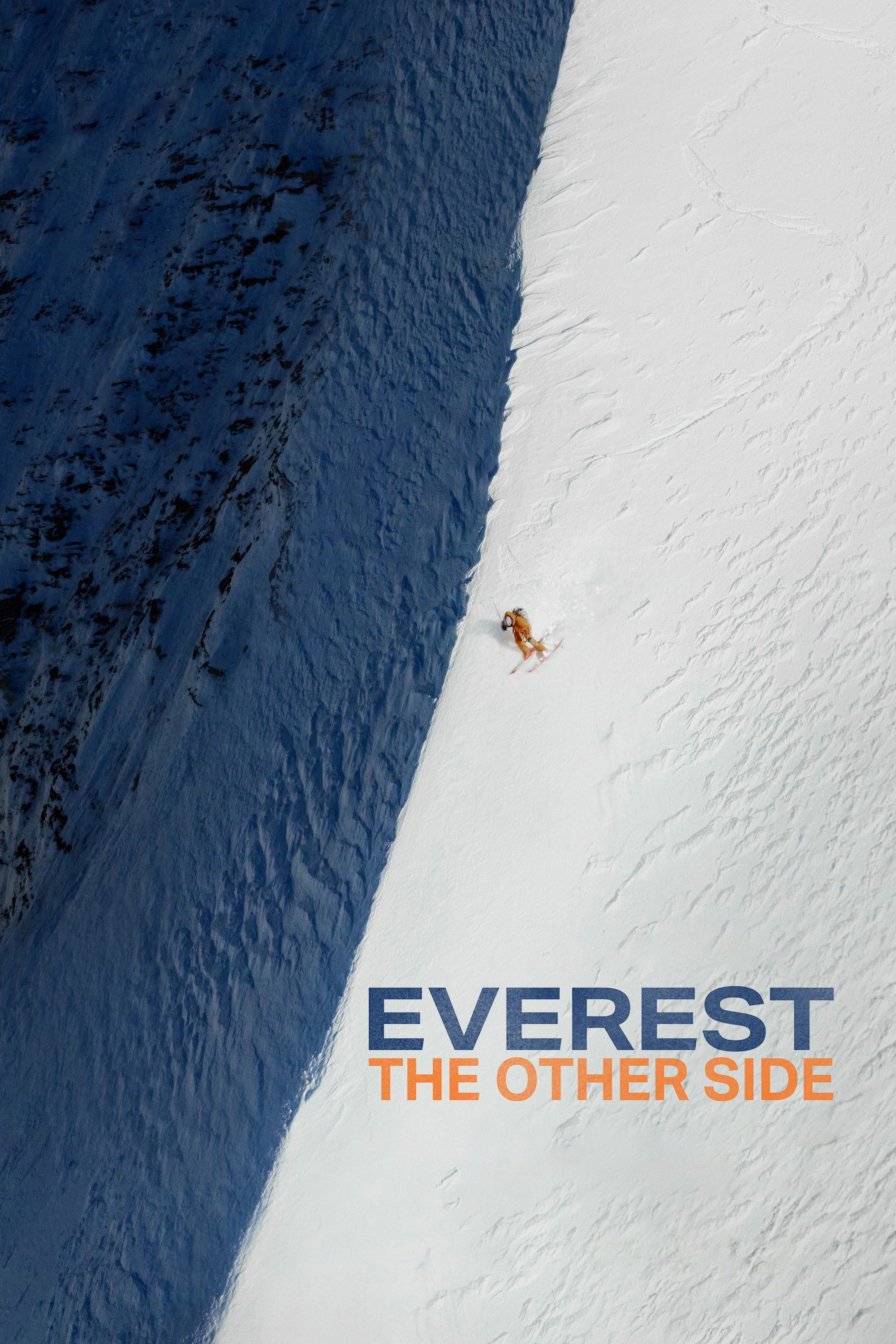
Everest: The Other Side (2026) – Movie Overview
Movie: Everest: The Other Side
Release Date: 29 October 2026
Genre: Documentary
Language: English
Runtime: 1 hour 55 minutes
Country: United States of America, China, Nepal
Directors: Jimmy Chin & Elizabeth Chai Vasarhelyi
Writers: Jimmy Chin & Elizabeth Chai Vasarhelyi
Music: Caroline Ho
Cinematography: Clair Popkin, Jimmy Chin & Christopher Murphy
Production Companies: National Geographic Documentary Films, Little Monster Films & Walt Disney Pictures
Featured Participants: Hilaree Nelson, Jim Morrison, Jimmy Chin, Elizabeth Chai Vasarhelyi and Mikey Schaefer
Rating: Not available
Budget: Not available
Everest: The Other Side (2026) – Storyline
Everest: The Other Side is a documentary about love, ambition and the pursuit of an extraordinary mountaineering challenge. It follows elite ski mountaineers Jim Morrison and Hilaree Nelson, whose relationship and shared passion for adventure lead them towards an ambitious dream: climbing and skiing the direct North Face of Mount Everest. Described as one of the mountain's most difficult and dangerous routes, the challenge represents an exceptional test of skill, determination and courage. The documentary explores the personal connection behind their ambition and the risks involved in pursuing an almost unimaginable achievement.
Everest: The Other Side – Cast and Featured Participants
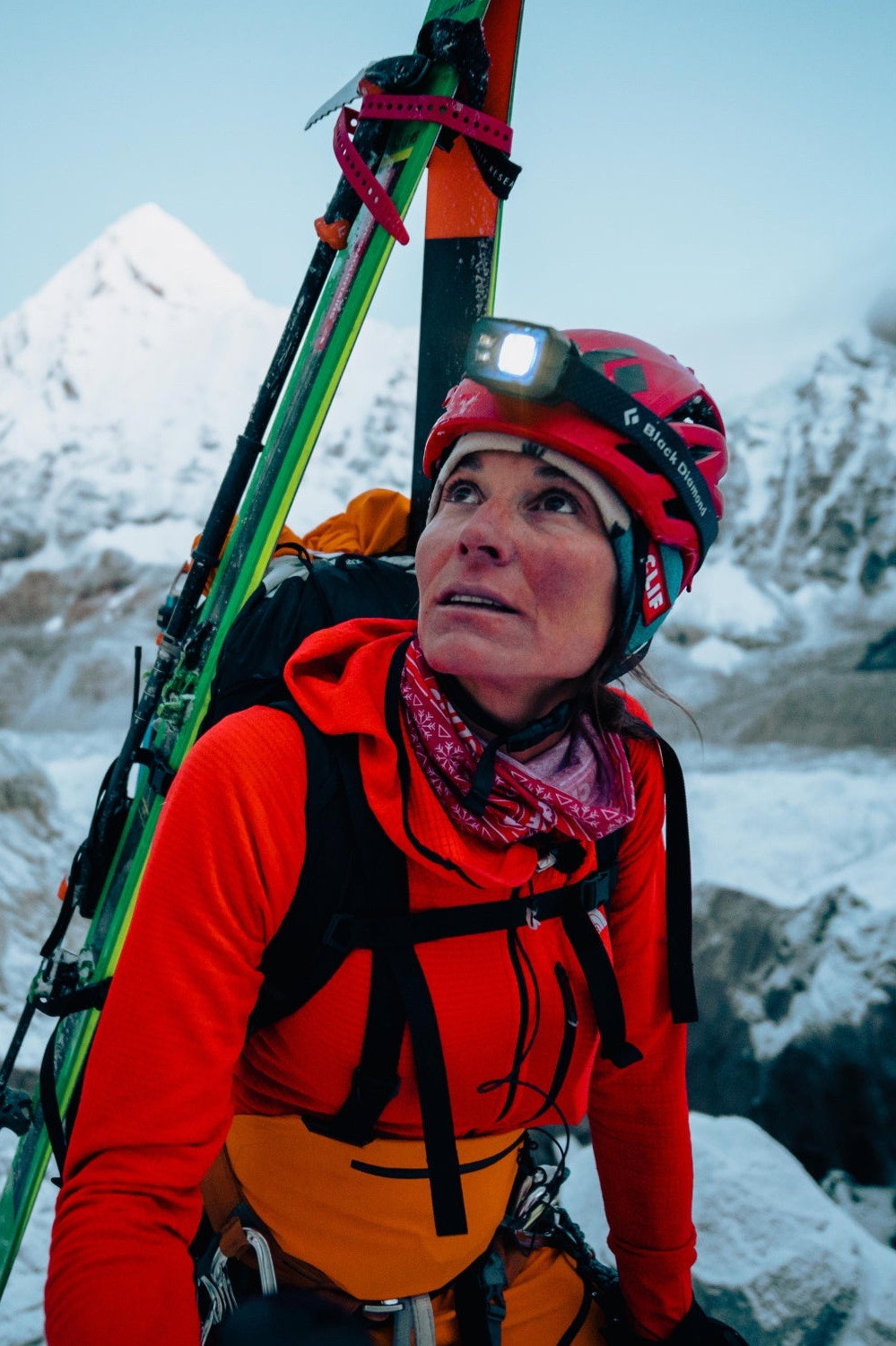
Hilaree Nelson
Self

Jim Morrison
Self

Jimmy Chin
Self

Elizabeth Chai Vasarhelyi
Self

Mikey Schaefer
Self
Everest: The Other Side (2026) – Trailer
Everest: The Other Side (2026) – Documentary Review and Analysis
Everest: The Other Side is a documentary centred on the extraordinary ambitions of elite ski mountaineers Jim Morrison and Hilaree Nelson. Directed and written by Jimmy Chin and Elizabeth Chai Vasarhelyi, the film explores the relationship between two people whose love for each other and passion for adventure became connected to one of the most challenging mountaineering dreams imaginable. Their goal was to climb and ski the direct North Face of Mount Everest, a route described as one of the most difficult and dangerous on the mountain. With a runtime of 1 hour and 55 minutes, the documentary brings together personal storytelling, extreme mountaineering and the emotional dimensions of pursuing the seemingly impossible.
1. A Story About Love and Ambition
One of the most distinctive aspects of the documentary's premise is its combination of a personal relationship and an extraordinary sporting ambition. Jim Morrison and Hilaree Nelson are presented not simply as elite athletes but as two people whose shared interests and affection became part of a larger dream. This approach gives the story an emotional foundation beyond the physical challenge of climbing Everest.
The pursuit of an ambitious goal can reveal a great deal about the people involved. Their motivations, personal sacrifices and determination provide a human perspective on extreme adventure. By connecting the relationship with the mountain challenge, the documentary has the opportunity to explore how love, ambition and risk can become intertwined. This personal dimension may make the story meaningful even to viewers who are unfamiliar with ski mountaineering.
2. The Challenge of Everest's North Face
Mount Everest represents one of the most demanding environments in the world. Its altitude, severe weather and difficult terrain create enormous challenges for climbers. The direct North Face adds another level of difficulty, making the proposed climb-and-ski objective an exceptional undertaking.
The documentary's central challenge is particularly compelling because it combines two demanding disciplines: high-altitude mountaineering and technical skiing. Reaching the intended route is only part of the challenge. Successfully descending a steep and exposed mountain face requires preparation, judgement, technical ability and an awareness of constantly changing conditions.
This context provides an opportunity for the film to communicate the scale of the undertaking. The mountain becomes more than a dramatic background; it represents the physical and psychological limits that the climbers are attempting to confront.
3. Hilaree Nelson and Jim Morrison
Hilaree Nelson and Jim Morrison are central to the documentary. Their identities as elite ski mountaineers establish the professional experience behind the ambitious objective, while their personal connection gives the story an intimate dimension.
Their shared dream offers a perspective on partnership under extreme conditions. Mountaineering at this level demands trust, communication and a deep understanding of one another's abilities. The emotional importance of their relationship adds another layer to the challenges associated with the expedition. The documentary's focus on both individuals allows viewers to consider the human experiences behind a major adventure.
4. Direction and Documentary Storytelling
Jimmy Chin and Elizabeth Chai Vasarhelyi are credited as the writers and directors. Their approach to the material brings together the elements of an adventure documentary and a personal portrait. A story of this nature requires more than spectacular mountain footage; it needs a clear narrative that explains why the expedition matters to the people undertaking it.
The strongest documentary storytelling often combines the practical details of an event with the emotional experiences of its participants. The preparation, uncertainty and difficult decisions surrounding a dangerous expedition can provide a natural narrative structure. The personal story also helps viewers understand the motivation behind the risks rather than treating the climb as a purely technical achievement.
5. Cinematography and Visual Experience
Cinematography is credited to Clair Popkin, Jimmy Chin and Christopher Murphy. Visual storytelling is especially important for a documentary set in the high-altitude environment of Everest. The mountain's scale, exposed terrain and changing conditions can communicate the difficulty of the expedition in ways that ordinary narration cannot.
Mountain cinematography also presents unique practical challenges. Capturing an expedition in a remote and dangerous environment requires careful planning and technical skill. Wide landscape imagery can establish the enormous scale of the mountain, while closer perspectives can bring attention to the climbers' movements and decisions. The combination of these visual approaches may help audiences appreciate both the beauty and danger of the environment.
6. Music and Emotional Atmosphere
Caroline Ho is credited as the composer. Music can help shape the emotional progression of an adventure documentary, particularly when the narrative moves between personal memories, preparation and moments of uncertainty. A restrained score can allow natural sounds and the environment to remain important, while carefully placed musical passages can strengthen the emotional significance of key moments.
In a documentary about a real expedition, sound design and music should support the authenticity of the material. The atmosphere of the mountain, the physical effort involved and the quieter personal moments can all contribute to the overall experience.
7. Production and Documentary Significance
The production is associated with National Geographic Documentary Films, Little Monster Films and Walt Disney Pictures. These production credits place the project within the documentary and adventure-film space. The supplied country information lists the United States of America, China and Nepal.
Beyond its mountaineering subject, the documentary raises broader questions about ambition, risk and the limits people are willing to test in pursuit of a dream. Its focus on a real sporting challenge and a deeply personal relationship gives it the potential to appeal to adventure enthusiasts as well as viewers interested in human stories.
Final Verdict
Everest: The Other Side is a documentary built around a remarkable combination of love, ambition and extreme mountaineering. The shared dream of Jim Morrison and Hilaree Nelson to climb and ski the direct North Face of Everest provides a compelling central subject. With Jimmy Chin and Elizabeth Chai Vasarhelyi directing, a cinematography team led by Clair Popkin, Jimmy Chin and Christopher Murphy, and music by Caroline Ho, the project brings together a creative team suited to an ambitious adventure documentary. Its greatest appeal lies in the human story behind the mountain challenge and the determination required to pursue an extraordinary goal.
Disclaimer
This page is intended for informational and editorial purposes only. It does not host, distribute or provide unauthorized movie files, downloads or streaming links. Please support the filmmakers and production companies by watching Everest: The Other Side through authorized cinemas or officially licensed streaming platforms when available. Documentary details are based on the supplied information and may be updated when further verified details are announced.